

Related posts



View all
Article
-
September 2, 2026
Back to all
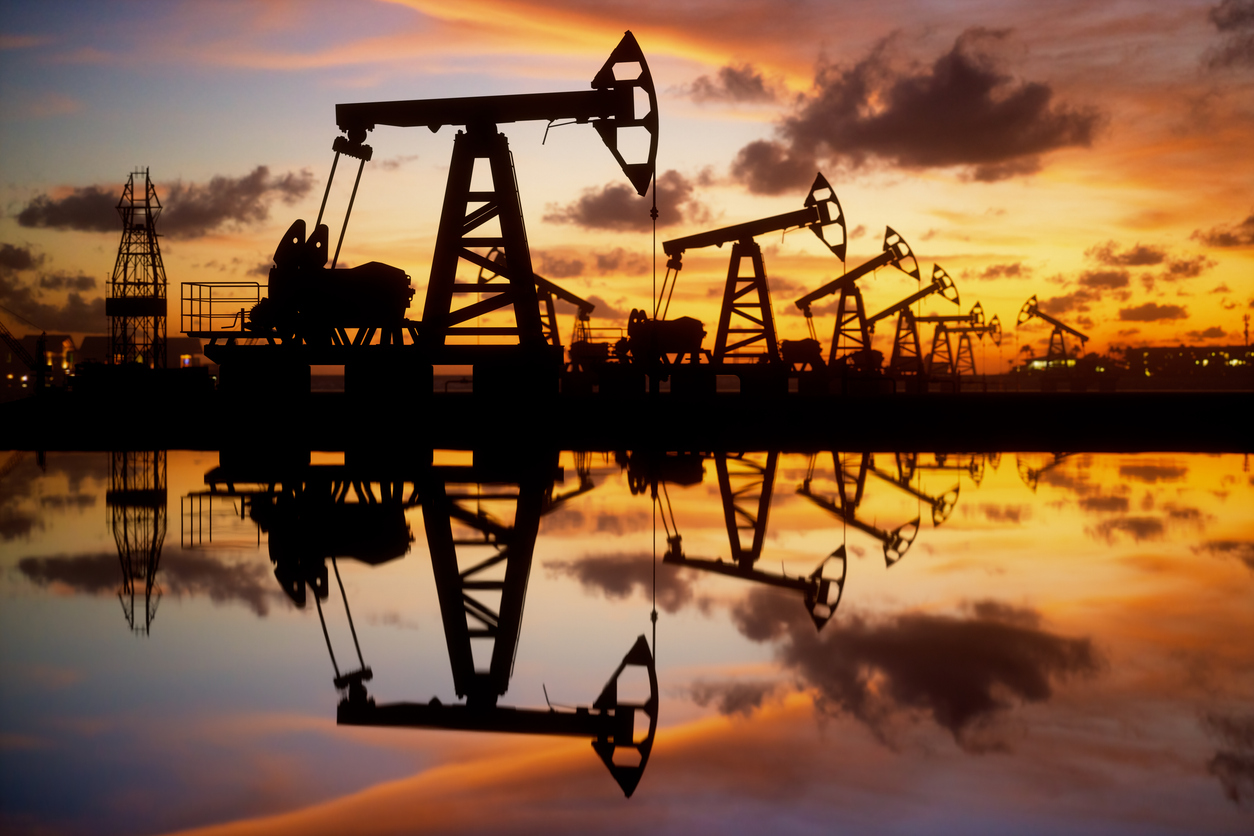
Oil has returned to the center of the energy conversation.
In mid-August, crude oil prices reached a four-week high as investors reacted to tighter supply risk tied to tensions in the Middle East and reduced traffic through the Strait of Hormuz. Reuters reported that Brent crude settled at $94.39 per barrel on August 21, while only seven commodity ships crossed the Strait the previous day. Before the conflict, the Strait handled nearly one-fifth of global crude oil and LNG shipments.
In part, this market response explains why the energy transition cannot be accomplished through a clean break from conventional energy. When oil supply is disrupted, the immediate solution is not more wind, solar, or battery storage. The immediate concern is whether the global economy has enough secure, flexible, and available energy to keep moving.
For years, the energy industry framed decarbonization around substitution. Renewables would replace fossil fuels, electrification would reduce oil demand, and clean power would take share from legacy energy. Although the substitution framework remains important, the energy system must also meet rising demand for power, absorb shocks, and protect affordability.
Oil remains embedded in parts of the economy that cannot transition quickly. Petroleum products still support transportation fuels, while the petrochemical industry uses petroleum as a feedstock for plastics, solvents, polyurethane, and other industrial products.
That could explain why recent supply risk moved markets so quickly. In August, the U.S. Energy Information Administration raised its near-term oil price forecast after reducing its assumptions for crude shipments through the Strait of Hormuz. EIA now expects Brent crude to average around $85 per barrel in the third quarter of 2026, with lower shipments reducing global inventories in the coming months. The demand for oil is not going to magically disappear. The strategy behind the energy transition strategy has to account for the role conventional energy still plays in order to work.
That is why the market is moving toward a more compatible view of energy. Oil supports sectors where substitution remains difficult. Natural gas helps balance power markets and support reliability. Renewables continue to expand as a major source of new generation. Storage and transmission help integrate variable supply. Nuclear is receiving renewed attention as large energy users look for low-carbon, firm power.
Each resource addresses a different constraint. As the system faces higher demand, more geopolitical risk, and greater infrastructure pressure, the value of an energy asset will increasingly depend on the problem it solves, not only the category it belongs to.
Investment patterns reflect this broader market reality.
The International Energy Agency expects global energy investment to reach $3.4 trillion in 2026, a 5% increase from 2025. Clean energy investment is expected to reach $2.2 trillion, nearly double the level of fossil fuel investment. At the same time, roughly $1.2 trillion is still expected to flow into oil, natural gas, and coal.
Renewable developers still have to prove that their projects can secure interconnection, manage permitting risk, and reach commercial operation on a realistic timeline. A natural gas platform has to show how it supports reliability in a system that is moving toward lower emissions. An oil and gas operator has to demonstrate capital discipline, operating efficiency, and relevance in a market where long-term demand assumptions are changing.
Capital distribution will move in the direction of clean energy, but investors are also funding the assets needed to maintain reliability, security, and supply continuity during the transition.
Oil’s return to the headlines does not undermine the energy transition. The world still depends on conventional energy for security, mobility, industrial activity, and economic stability. At the same time, clean energy investment continues to grow, and lower-emission infrastructure is becoming a larger share of global capital deployment. Both trends are shaping the market at once.
The next chapter of the energy transition will be defined by companies that can deliver energy that is reliable, secure, affordable, and increasingly lower-emission. In a market shaped by volatility, demand growth, and capital discipline, durable value will come from solving the system’s most important constraints.
Contact us